

- info@fmltdwc.com
- Building No. FC 04, Dubai World Central, Dubai, UAE
- +9714 548 8865
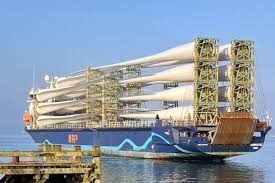
Wind Turbines
Wind turbines are devices designed to convert wind energy
into electricity through the rotation of large blades connected to a generator, using modern engineering materials like steel, fiberglass, and composites.
Advantages:
- Renewable Energy Source: Generates electricity from wind, reducing reliance on fossil fuels.
- Environmentally Friendly: Produces electricity without greenhouse gas emissions during operation.
- Long-Term Savings: Helps lower electricity costs over time, especially in windy regions.
- Low Maintenance: Requires periodic upkeep, but operation is largely automated once installed.
- Scalable Design: Can be deployed in single units for homes or as large groups (wind farms) for substantial power generation.
Physical Properties:
| Properties | Value |
|---|---|
| Physical State | Tall structure with a tower, rotating blades, and a nacelle housing the generator. |
| Typical Size | Tower height: 80–120m (onshore), Blades: 40–75m long (varies with manufacturer/type) |
| Weight | Large turbine: 200–400 tons (tower, nacelle, blades); Small turbine: 10–50 tons |
| Surface Coating | Weather-resistant paint and anti-corrosion coatings for durability and climate resilience |
Packaging
- Turbine parts (tower sections, blades, nacelle) are shipped separately, protected by foam padding and custom crates.
- Large components, like blades, may require special trailers or ships.
- Custom packaging and private labeling available upon request from manufacturers.
Safety and Handling
- Turbines must be handled as heavy industrial equipment, using cranes and certified lifting gear.
- Only trained professionals should perform installation and maintenance.
- Always follow manufacturer’s instructions, site safety regulations, and local wind energy guidelines.
- Store parts in a secure, dry environment to prevent weather or accidental damage.
- Observe all safety warnings provided in product documentation and the Material Safety Data Sheet (MSDS).
Wind turbines deliver a reliable, clean, and sustainable method of generating electricity. They suit residential, commercial, and utility-scale projects. Proper handling, installation, and maintenance are essential for optimal performance, efficiency, and longevity.