

- info@fmltdwc.com
- Building No. FC 04, Dubai World Central, Dubai, UAE
- +9714 548 8865
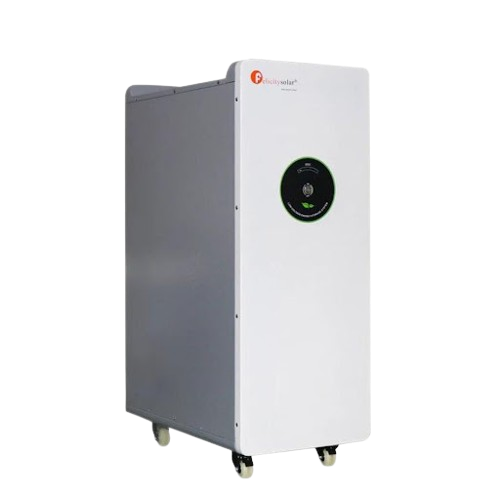
Lithium Batteries
Lithium batteries are rechargeable energy storage devices
that utilize lithium ions to move between electrodes during charging and discharging, offering high energy density and efficiency for powering a wide range of electronics and vehicles.
Advantages:
- Renewable Energy Integration: Enables efficient storage for solar and wind systems, supporting sustainable power solutions.
- High Energy Density: Provides more power in a compact size compared to traditional batteries, ideal for portable devices.
- Long Cycle Life: Can endure thousands of charge-discharge cycles with minimal degradation, extending usability.
- Lightweight Design: Reduces overall weight in applications like electric vehicles and consumer electronics.
- Fast Charging: Supports quicker recharge times, enhancing convenience for daily use.
Physical Properties:
| Properties | Value |
|---|---|
| Physical State | Solid, typically encased in metal or plastic housings with internal cells. |
| Typical Size | Small (AA/AAA): 1-5 cm; Larger (EV packs): 50-100 cm (varies by capacity and type) |
| Weight | Small cells: 20-50 g; Large packs: 10-100 kg (depending on voltage and amp-hour rating) |
| Surface Coating | Protective polymer or metal casing with anti-corrosion treatments for safety and durability |
Packaging
Lithium batteries are typically packaged individually or in multi-packs, wrapped in protective foam or plastic to prevent short-circuiting.
Delivered in sturdy cardboard boxes or sealed pouches, often with separators to avoid contact between units.
Custom packaging and private labeling available upon request from manufacturers.
Safety and Handling
- Batteries should be handled as sensitive electrical components, avoiding exposure to water, heat, or physical damage.
- Always use insulated tools and gloves to prevent short circuits or shocks during installation.
- Charge and discharge according to manufacturer’s instructions and avoid overcharging to prevent thermal runaway.
- Store in a cool, dry environment away from flammable materials to minimize fire risks.
- Observe all safety warnings included in the product documentation and Material Safety Data Sheet (MSDS) if available.
Lithium batteries offer a versatile and high-performance solution for energy storage, suitable for consumer electronics, electric vehicles, and renewable systems. Proper handling and maintenance ensure safety, efficiency, and prolonged lifespan.