

- info@fmltdwc.com
- Building No. FC 04, Dubai World Central, Dubai, UAE
- +9714 548 8865
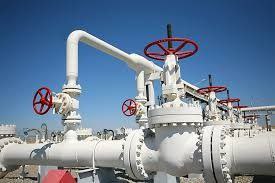
Valves
Valves are mechanical devices designed to control, direct, or regulate the flow of fluids (such as liquids, gases, or slurries) within pipelines and systems by opening, closing, or partially obstructing passageways, commonly used in industries like oil and gas, water treatment, and manufacturing.
Advantages:
- Flow Control Precision: Allows accurate regulation of fluid pressure, direction, and volume, enhancing system efficiency.
- Durability in Harsh Environments: Built to withstand high pressures, temperatures, and corrosive substances, reducing failure risks.
- Versatile Applications: Available in various types (e.g., ball, gate, check) for diverse uses from residential plumbing to industrial processes.
- Safety Enhancement: Prevents leaks, backflow, or overpressure, protecting equipment and personnel.
- Easy Maintenance: Modular designs enable quick repairs or replacements without shutting down entire systems.
Physical Properties:
| Properties | Value |
|---|---|
| Physical State | Solid assembly, typically made of metal (e.g., stainless steel, brass) or plastic composites. |
| Typical Size | Small (household): 1-5 cm diameter; Industrial: 10-100 cm (varies by type and pressure rating) |
| Weight | Small valves: 0.5-5 kg; Large industrial: 10-200 kg (depending on material and size) |
| Surface Coating | Corrosion-resistant finishes like epoxy, chrome plating, or powder coating for longevity and protection against wear |
Packaging
Valves are typically packaged individually or in bulk sets, wrapped in protective foam or bubble wrap to prevent scratches or damage.
Delivered in sturdy cardboard boxes, plastic crates, or pallets for larger shipments, often with desiccant packs to avoid moisture.
Custom packaging and private labeling available upon request from manufacturers.
Safety and Handling
- Valves should be handled as precision mechanical components, using gloves to avoid contamination or injury from sharp edges.
- Inspect for defects before installation and ensure proper alignment to prevent leaks or malfunctions.
- Install according to manufacturer’s instructions, industry standards (e.g., ASME or ISO), and local plumbing or safety codes.
- Store in a dry, temperature-controlled environment away from corrosive agents or extreme conditions to maintain functionality.
- Observe all safety warnings included in the product documentation and Material Safety Data Sheet (MSDS) if available.
Valves provide a reliable and essential solution for fluid management in various sectors, ensuring operational efficiency and system integrity. Proper selection, handling, and installation maximize performance, safety, and service life.