

- info@fmltdwc.com
- Building No. FC 04, Dubai World Central, Dubai, UAE
- +9714 548 8865
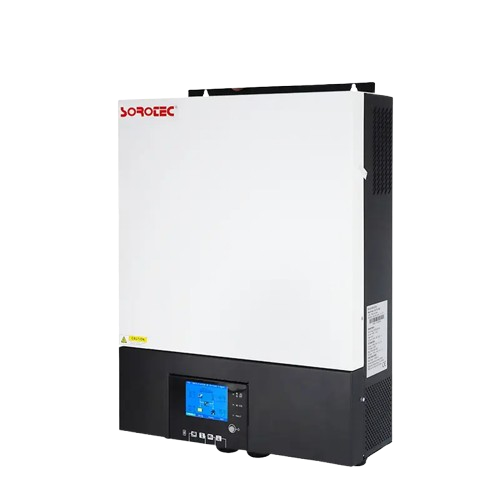
Inverters
Inverters are electronic devices designed to convert direct.
current (DC) electricity into alternating current (AC) electricity, enabling the use of DC sources like batteries or solar panels with standard AC appliances and grid systems.
Advantages:
- Renewable Energy Integration: Facilitates the connection of solar panels, wind turbines, or batteries to home or grid power, promoting clean energy use.
- Power Backup: Provides uninterrupted electricity during outages, ideal for homes, businesses, and off-grid applications.
- Efficiency and Versatility: Modern models offer high conversion efficiency (up to 95%) and can handle various loads, from small devices to large systems.
- Cost Savings: Reduces electricity bills by optimizing energy from renewable sources and minimizing waste.
- Portable Options: Available in compact designs for mobile use, such as in vehicles or camping.
Physical Properties:
| Properties | Value |
|---|---|
| Physical State | Compact electronic unit, often encased in metal or plastic housing with cooling vents. |
| Typical Size | Small (portable): 20–30 cm long; Large (grid-tie): 50–100 cm (varies by power rating) |
| Weight | Portable: 1–5 kg; Industrial: 10–50 kg (depending on capacity, e.g., 1kW to 100kW) |
| Surface Coating | Durable powder coating or anodized finish for heat dissipation and corrosion resistance |
Packaging
- Inverters are typically packaged individually in sturdy cardboard boxes with foam inserts for protection.
- Accessories like cables and manuals are included; larger units may be palletized for shipping.
- Custom packaging and private labeling available upon request from manufacturers.
Safety and Handling
- Inverters should be handled as sensitive electrical equipment, avoiding exposure to water or extreme temperatures.
- Always disconnect power sources before installation or maintenance to prevent shocks.
- Install according to manufacturer’s instructions, electrical codes, and ensure proper grounding.
- Store in a cool, dry place away from direct sunlight or moisture to avoid damage.
- Observe all safety warnings in the product documentation and Material Safety Data Sheet (MSDS) if applicable.
Inverters provide a reliable and efficient solution for power conversion, essential for renewable energy systems, backup power, and portable applications. Proper handling, installation, and maintenance ensure safety, performance, and extended lifespan.