

- info@fmltdwc.com
- Building No. FC 04, Dubai World Central, Dubai, UAE
- +9714 548 8865
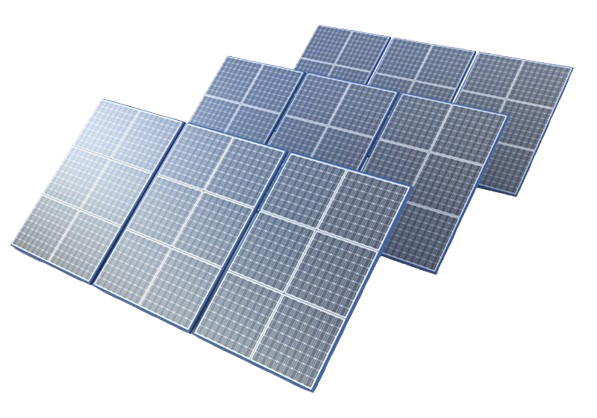
Solar Panels
Solar panels are devices designed to convert sunlight into electricity
through the photovoltaic effect, using semiconductor materials such as silicon.
Advantages:
- Renewable Energy Source: Generates electricity from sunlight, reducing reliance on fossil fuels..
- Environmentally Friendly: Produces zero emissions during operation.
- Long-Term Savings: Helps lower electricity costs over time.
- Low Maintenance: Requires minimal upkeep once installed.
- Modular Design: Can be expanded by adding more panels as energy needs increase.
Physical Properties:
| Properties | Value |
|---|---|
| Physical State | Solid panel, composed of multiple PV cells encased in glass. |
| Typical Size | Standard: ~1.6m x 1m (varies with manufacturer/type) |
| Weight | Approximately 18-22 kg (per standard 60-cell panel) |
| Surface Coating | Tempered glass covering for durability and UV resistance |
Packaging
- Panels are typically packaged individually or in sets, protected with foam or cardboard corners.
- Delivered in heavy-duty cardboard boxes, often stacked on wooden pallets for large shipments.
- Custom packaging and private labeling available upon request from manufacturers.
Safety and Handling
- Panels should be handled as sensitive electrical equipment.
- Always use safety gloves and avoid dropping or striking the panels.
- Install and handle according to manufacturer’s instructions and local electrical codes.
- Store in a dry, covered area to prevent moisture damage.
- Observe all safety warnings included in the product documentation and MSDS (Material Safety Data Sheet) if available.
Solar panels offer a reliable and clean method of generating electricity, suitable for residential, commercial, and industrial applications. Proper handling and installation maximize longevity and performance.